eFoil Cleaning & Maintenance: What to do after your ride

You've just wrapped up a perfect session – gliding above the water as the sun dips below the horizon, nothing but that pure sensation of flight. What comes next is less glamorous, but every bit as important as the ride itself: cleaning your eFoil. Neglect this step and you risk serious long-term damage to a piece of equipment that represents a significant investment. The good news? With the right routine, eFoil maintenance after every ride takes less than ten minutes – and can add years to the life of your board.
Why Saltwater Corrosion Is Your Biggest Enemy
Saltwater is aggressive towards electronics, metal components and seals. What looks harmless after an ocean session – a damp board, a few splashes on the mast – becomes a real problem without an immediate freshwater rinse. As the water evaporates, salt crystals form at every connection point and trigger galvanic corrosion: an electrochemical process that slowly breaks down metal parts, seizes screws and makes seals brittle.
The mast-board connection and all electrical contacts are particularly vulnerable. Salt deposits in these areas are barely visible at first – until they've caused damage that requires costly repairs. Spotting damage matters, but preventing it in the first place matters more. The rule is simple: after every ride in salt or dirty water, flush the entire system thoroughly with freshwater – no exceptions.
Step-by-Step: How to Clean Your eFoil After Every Session
A structured cleaning routine ensures nothing gets missed and every critical component is properly cared for. Always follow this sequence:

1. Board and Battery Compartment
Rinse the entire board with clean freshwater – top, bottom, all handle areas and especially the mast mounting position. Open the battery hatch and clean the interior carefully. Visually check for moisture or any water ingress: water inside the hatch is a serious warning sign that must be addressed immediately, as moisture can cause a short circuit or total failure.
2. Mast Cleaning
Rinse the mast completely with freshwater. Then check all screws for tightness. Vibrations during a ride can loosen connections, and a loose mast isn't just a maintenance issue – it's a safety risk.
3. Wing Cleaning and Fuselage Maintenance
Disassemble the wings at regular intervals and clean the fuselage and connecting screws thoroughly. Even if you leave the wings mounted between sessions, always flush the connection points – salt loves to hide in tight gaps.
4. Propeller Cleaning
The Fully Shielded Propeller on Aerofoils eFoils significantly reduces the amount of algae, aquatic vegetation and debris that enters the drivetrain compared to open systems. That said: rinse the drive area carefully with freshwater and check for any accumulated debris or sand. A motor check for unusual sounds or resistance is also part of the post-ride routine.
5. Remote Control Cleaning
Hold the remote control with the trigger area facing downward and rinse it thoroughly with clean water. Sand or salt crystals in the trigger area are a common cause of malfunctions. No high pressure – a gentle, targeted stream of water is all you need.
6. Drying After Use
Once all components have been rinsed, dry the entire system with a microfibre cloth. Make sure there are no remaining particles before wiping, as residue can cause scratches to the surface finish. Standing water in connections significantly accelerates corrosion – especially in combination with residual salt. Only store the board once all components are completely dry.
eFoil Care in Saltwater – Extra Measures for Ocean Use
If you ride in the ocean regularly, you should go beyond the basic cleaning routine. Saltwater isn't uniform: salinity varies depending on region, temperature and water depth – and with it, the aggressiveness towards metal parts and seals.
The most critical points during saltwater use are the electrical connections. Salt deposits here can impair conductivity and cause contact problems over time.
The battery compartment seal deserves particular attention: inspect it regularly for cracks or deformation, and clean the sealing surface thoroughly to maintain its elasticity. A damaged seal is the most common cause of water entering the battery compartment – with potentially catastrophic consequences for the electronics.
For seal maintenance in general: silicone spray is the right product, but use it sparingly. Too much can attract dust and dirt, ultimately degrading the seal over time.
Battery and Electronics: Protecting the Most Sensitive Components
The Aerofoils battery is one of the most expensive individual components of your eFoil – and simultaneously the most sensitive.

Regularly inspect the battery for cracks or deformation of the outer casing. You can check for water-tightness visually: are there moisture marks around the connectors? Is there a smell of burnt plastic? Both are warning signs – have the battery professionally inspected before your next ride.
The Most Common Cleaning Mistakes – and Why They're Dangerous
Many eFoil owners unknowingly make mistakes during cleaning that cause more damage than the dirt itself. The classic blunder: the pressure washer. Avoiding pressure washers isn't a recommendation – it's a requirement. High water pressure forces water through the smallest gaps in seals and connections – exactly where it should never go.
Also problematic: aggressive cleaning agents, dish soap or solvents. These attack plastic components, seals and painted surfaces, accelerating material fatigue. Plain freshwater is the only recommended cleaning medium for regular rinsing.
Other mistakes that creep in all too easily:
- Storing wet: Even a seemingly dry board can retain water in its connections. Avoiding overheating and wet storage are equally important.
- Underestimating sun damage: Leaving the board in direct sunlight after rinsing might seem like a practical drying method, but prolonged heat damages seals and the lithium-ion battery.
Seasonal Maintenance: What to Do Weekly and Annually
Daily cleaning after every ride is the foundation – but eFoil maintenance also has a seasonal dimension. Once a week, a more thorough inspection of all mechanical connections is worthwhile: tighten screws on the mast, wings and fuselage, visually check seals and inspect battery connectors.
For seasonal maintenance – ideally at the end of the season – complete disassembly of the drivetrain is recommended. Clean the wings and fuselage separately, check all connection points for signs of wear, and inspect the motor for foreign objects or corrosion. Also take advantage of the quieter off-season for a firmware update: the Aerofoils app enables GPS tracking and ride statistics, and keeping the firmware current ensures the drivetrain stays optimally calibrated.
eFoil Winter Storage: Before storing the board for several months, clean and dry all components thoroughly. Winter storage should take place in a dry, cool room – a basement or garage is ideal, as long as temperatures don't drop below freezing. Store the battery separately from the board and set the charge level to 50–60%. Storing a lithium-ion battery at full charge or fully depleted for months causes irreversible cell damage. Prolonged sunlight is harmful: never store the board near windows with direct exposure.
Recommended Cleaning Equipment at a Glance
The right equipment makes your cleaning routine more efficient and safer. Here's the recommended kit for complete eFoil maintenance:
| Tool | Use |
|---|---|
| Clean freshwater / garden hose | Basic rinse of all exterior surfaces |
| Microfibre cloth | Drying after rinsing, gentle on surfaces |
| Silicone spray | Seal maintenance and remote control trigger area |
| WD-40 (used sparingly) | Protecting metal contacts and mechanical connections – not on seals |
| Soft brush | Removing sand from gaps and connections |
WD-40 application: targeted use on bare metal connections only, not broadly applied to seals or plastic parts – silicone spray is the better choice there. A cleaning checklist you tick off after every ride prevents individual components from being overlooked.
Conclusion: Protecting Your Investment Starts at the Beach Shower
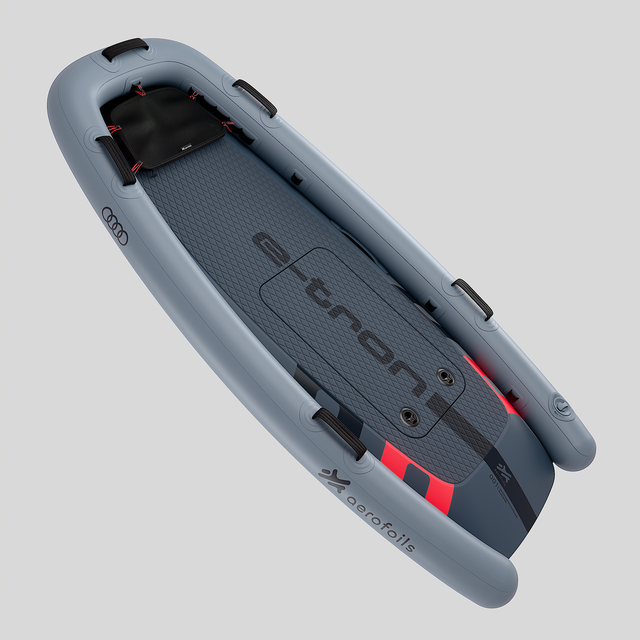
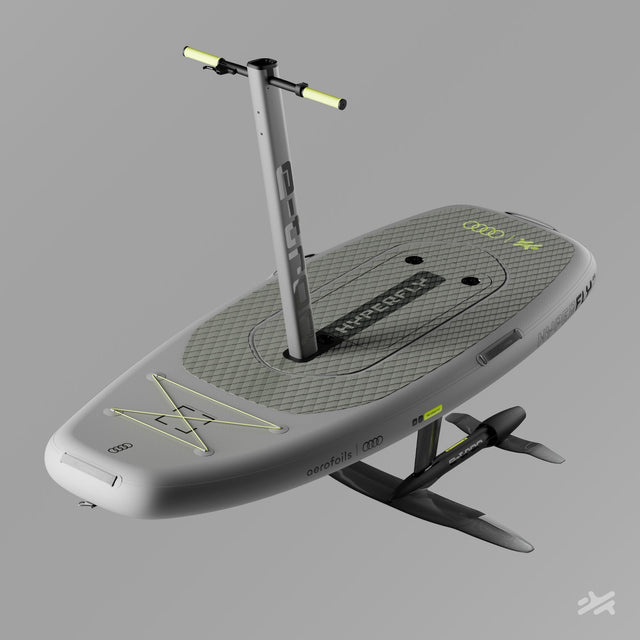
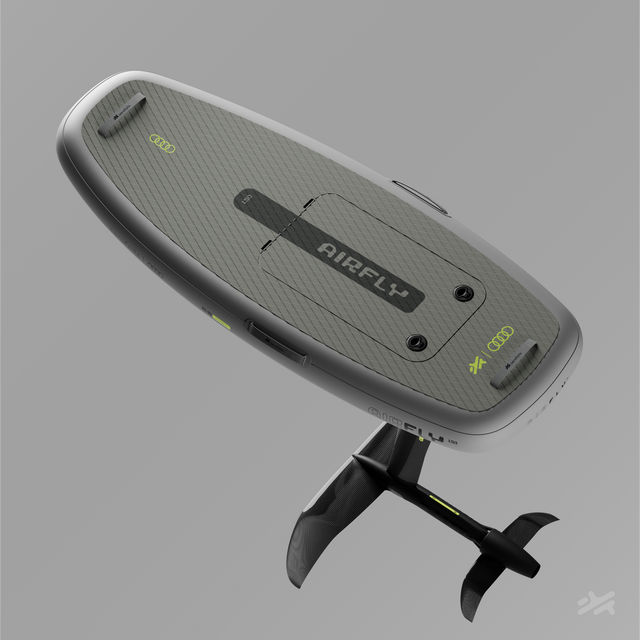
With consistent care, an eFoil can perform reliably for many years. Whether you're enjoying relaxed sessions on the lake with the Aerofoils Adventure, carving agile turns in the ocean with the Aerofoils Performance, or travelling light with the Aerofoils Airfly – the cleaning routine is equally important across all models.
Ten minutes after every ride. Consistently. Without exception. That's the difference between a board that still runs like new after three years and one that shows its first signs of corrosion after a single season. If you're still looking for the right eFoil or want to complete your setup, you'll find all models and accessories in our shop.
Frequently Asked Questions
How often should I clean my eFoil?
After every single ride – particularly after saltwater use, an immediate freshwater rinse is essential. Salt deposits form as the water dries and trigger corrosion processes that cannot be reversed.
Can I use a pressure washer on my eFoil?
No. Pressure washers can force water through seals and connections, damaging electronics and the motor. Use only clean freshwater at normal tap pressure – a garden hose without a pressure nozzle is the ideal option.
How do I store my eFoil battery over winter?
Store the lithium-ion battery separately from the board, bring it to a charge level of 50–60%, and keep it in a dry, cool room. Both full charge and deep discharge over several months cause lasting cell damage. Always avoid direct sunlight and freezing temperatures.
How do I spot wear or damage on my eFoil?
After every ride, carry out a visual inspection: check screws for tightness, seals for cracks or deformation, the battery casing for damage, and electrical contacts for corrosion (white or greenish deposits). Unusual noises during motor operation are also a warning sign that should never be ignored.